Geometric Sunshine Cross Stitch Pattern Review
As an experienced embroidery designer who has spent countless weekends setting up tables at bustling craft fairs, I know that the difference between a sold-out booth and a quiet afternoon often comes down to one thing: visual impact. When I first laid eyes on the Geometric Sunshine Cross Stitch Pattern, my immediate reaction was one of optimism for the upcoming summer season. This design promises to make stitching a piece of cake, but as a business owner, I need to know if it will also make selling a piece of cake. Let's dive into how this specific pattern translates from a digital chart into a profitable craft fair product.
First Impressions: Modern Warmth Meets Easy Execution
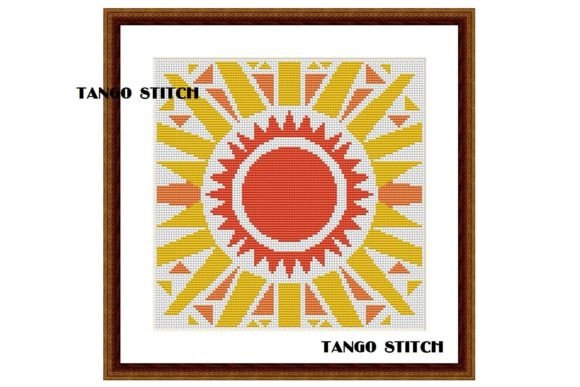
The title alone suggests a vibe that is both playful and structured. The combination of "Geometric" and "Sunshine" immediately signals a modern farmhouse or bohemian-chic aesthetic, which is currently dominating the handmade market. Unlike traditional floral cross-stitch patterns that can feel dated or overly rustic, this design feels fresh and contemporary. It strikes a perfect balance between being decorative enough to catch the eye and simple enough to be produced in batches without burning out your creative team.
For an Etsy seller or boutique maker, the description highlights that this is an easy hand embroidery chart. In the world of small shop products, "easy" does not mean "cheap." Instead, it implies efficiency. If I am preparing for a weekend market, I need designs that allow me to focus on finishing touches and packaging rather than struggling with complex stitch counts. The promise of an accessible chart means I can potentially offer this as a quick turnaround item or even a live demonstration piece at my booth, engaging customers while they wait.
Product Versatility: Where Does It Shine?
The true test of any Cross Stitch Patterns graphic is its adaptability across different mediums. Here is how I envision the Geometric Sunshine Cross Stitch Pattern performing on various items for my inventory:
- Tote Bags: A large version of this design on a canvas tote bag would be a standout tote bag design. The geometric lines hold up well against the weave of canvas, and the sunshine motif adds a pop of color that screams "summer essentials."
- Kitchen Textiles: For apron embroidery and tea towel embroidery, this pattern is ideal. The cheerful theme fits perfectly in a kitchen setting. However, I would ensure the fabric texture isn't too thick, as dense towels can sometimes hide the crispness of the geometric edges.
- Patches and Caps: This is where the design truly shines. An embroidered patch featuring the sunshine rays could be applied to denim jackets or backpacks. On caps, the curved surface requires careful placement, but the radial nature of a sun design naturally complements the dome shape of a hat.
- Pillow Covers and Pouches: These are excellent for gift-giving. A small pouch with a centered sun motif feels like a premium, thoughtful gift, while a pillow cover allows the design to be the focal point of a room's decor.
Production Realities: From Chart to Finished Product
While the description claims this pattern makes stitching easy, translating a digital embroidery file or hand chart into a physical finished product requires strategic planning. As I prepare my booth display, I must consider stitch density and thread contrast. Geometric shapes rely heavily on clean lines; if the thread colors are too similar to the background fabric, the design will lose its punch. I recommend using high-contrast floss, perhaps a bright yellow or orange against a neutral linen or white cotton, to ensure the "sunshine" element pops.
One critical aspect for batch production is the hoop size. Since this is marketed as an easy pattern, it likely fits within a standard 4-inch or 6-inch hoop. This is crucial for consistency. If you are producing multiple handmade products, you want every piece to look identical. Using the same hoop size ensures the scale remains uniform across all your commercial embroidery items. Before committing to a full run, always create at least one real mockup. Do not rely solely on a printable mockup or software preview. The way light hits the actual stitches can change the perception of the design entirely.
Practical Challenges and Careful Use Notes
Even the most user-friendly designs have pitfalls. Here are the areas where I advise caution when working with the Geometric Sunshine Cross Stitch Pattern:
- Dense Stitch Areas: If the center of the sun is filled with solid blocks of color, ensure you do not overstuff the fabric. Too much thread can cause puckering, especially on lightweight materials like tea towels.
- Small Details: Geometric patterns often rely on tiny accents. If you are scaling this design down for a small button or keychain, those details may blur. Stick to medium-to-large applications for the best clarity.
- Fabric Texture: While textured towels add charm, they can make counting stitches difficult. If you are new to this pattern, start with smooth Aida or linen to get the geometry right before moving to more challenging fabrics.
- Dark Fabrics: Sunshine motifs generally look best on lighter backgrounds. Attempting this on dark denim or black fabric might require significant changes to the thread colors to maintain visibility.
Marketing and Visual Appeal at the Craft Fair
When customers walk past my table, they have about three seconds to decide if something catches their interest. The Geometric Sunshine Cross Stitch Pattern offers a distinct advantage here. Its bold, sunny aesthetic acts as a beacon. In a sea of pastel florals and vintage motifs, a sharp, geometric sun stands out as modern and energetic.
For online sales, particularly on Etsy, photography is everything. This design photographs beautifully because the geometric lines create strong visual structure. When creating design assets for your listing, take photos in natural sunlight to enhance the "sunshine" theme. Show the design on different textures—a close-up of the stitches on a linen apron versus a wide shot of a tote bag—to demonstrate versatility.
This pattern also supports brand consistency. If your shop focuses on uplifting, modern, or summery goods, this design reinforces that identity. It tells the customer that your small shop product line is curated, stylish, and ready for the season. Whether you are selling the physical embroidered item or offering the machine embroidery design as a digital download, the visual appeal drives engagement.
Final Designer Checklist
Before you turn the Geometric Sunshine Cross Stitch Pattern into your next bestseller, run through this quick checklist to ensure professional results:
- Test on Scrap Fabric: Always stitch a sample to check tension and color vibrancy.
- Check Thread Contrast: Ensure the sun rays are visible against the background material.
- Review Spacing: Leave enough margin around the design for hemming or framing.
- Confirm Hoop Size: Verify that your chosen hoop accommodates the entire chart without cutting off edges.
- Inspect Stitch Density: Avoid areas that look muddy or overly thick.
- Use the Right Stabilizer: Especially important for stretchy fabrics like jersey or thin linens.
- Create a Real Mockup: Photograph the actual stitched item, not just a computer rendering.
- Compare Fabric Colors: Test the design on two or three different fabric shades to find the winner.
- Confirm Licensing: Double-check the terms of the Graphics or pattern license to ensure you are allowed to sell finished products commercially.
In conclusion, the Geometric Sunshine Cross Stitch Pattern is a versatile asset for any creative entrepreneur. It bridges the gap between simplicity and style, making it an excellent candidate for both handmade gifts and scalable commercial lines. With the right fabric choices and attention to detail, this pattern can become a signature piece that draws customers in and keeps them coming back for more.