Hair Stylist Zipper Bag: A Designer's Review
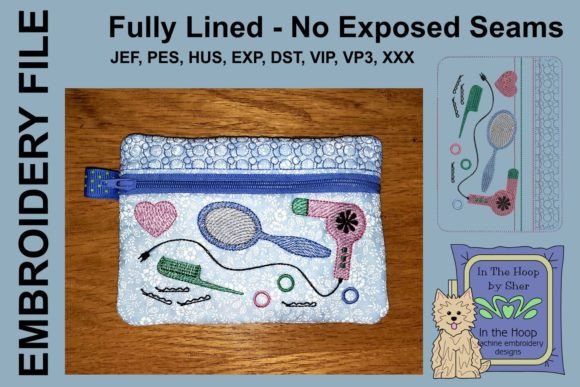
As I set up my table for the upcoming weekend craft fair, the air is already thick with the scent of fabric softener and hot glue. My booth needs to scream quality while whispering practicality. Today, I am reviewing a new machine embroidery design called the Hair Stylist Zipper Bag. This isn't just about downloading a file; it is about deciding if this specific asset will turn heads in a crowded marketplace or get lost in a pile of generic tote bags. The description promises to stylishly showcase a passion for hairstyling with scissors, combs, and trendy elements that add flair. But does it translate from screen to stitch?
First Impressions: Chic, Professional, and On-Point
When I first loaded the preview of the Hair Stylist Zipper Bag, the immediate vibe was modern and professional. It avoids the cluttered, "farmhouse" aesthetic that has saturated the market recently. Instead, it feels sleek and targeted. The inclusion of scissors and combs suggests a clear narrative: this is for the stylist who takes pride in their tools. For a handmade product line, clarity is king. If a customer walking past my booth can instantly identify the theme within three seconds, I have won half the battle. This design achieves that recognition immediately. It feels less like a novelty item and more like a premium accessory for someone in the beauty industry.
Where This Design Shines on Physical Products
The versatility of the Hair Stylist Zipper Bag design is its strongest selling point. While the title mentions a zipper bag, limiting it to just pouches would be a mistake. Here is how I plan to utilize this embroidery file across my inventory:
- Small Fabric Pouches: As the name implies, this works perfectly on cosmetic cases or tool rolls. The scale allows the scissors and combs to be detailed without overwhelming the small surface area.
- Tote Bags: Moving up in size, a large tote bag becomes an excellent canvas. Placing the design centrally on a canvas tote creates a bold statement piece for stylists carrying their kit to appointments.
- Apron Embroidery: This is a high-value craft fair product. An apron with this design on the bib signals professionalism. It transforms a utility item into a fashion statement for salon workers.
- Tea Towel Embroidery: While less obvious, a kitchen towel with this motif makes a unique gift for a home-based stylist or as a fun decor piece for a salon break room.
- Embroidered Patch: Creating patches from this design allows for lower price points. Customers can buy them to sew onto denim jackets, hats, or existing bags, expanding my reach to those who want customization.
For the Etsy seller or boutique maker, the ability to offer this same design on multiple product types increases perceived value. It shows a cohesive brand identity rather than a random assortment of items.
Visual Appeal and Booth Display Strategy
In a physical booth setting, lighting and texture are everything. The Hair Stylist Zipper Bag design relies on distinct shapes. When I mock this up on a dark charcoal gray fabric versus a crisp white one, the contrast changes the mood entirely. On dark fabric, using metallic thread colors for the scissors adds a touch of luxury that catches the eye from ten feet away. On lighter fabrics, vibrant pinks or teals pop against the neutral background.
This design excels at creating a focal point. Unlike dense floral patterns that blend together, the geometric lines of combs and scissors stand out. This is crucial for booth display strength. When I stack these embroidered items on my shelves, the recognizable icons create a visual rhythm that draws customers in. It elevates the finished product from a simple bag to a branded item that represents a lifestyle.
Production Realities: Stitch Density and Fabric Texture
While the design looks great digitally, my job is to ensure it stitches cleanly. One major consideration is stitch density. Designs featuring fine details like comb teeth can sometimes suffer if the density is too low, leaving gaps, or too high, causing puckering. I must test this digital embroidery file on scrap fabric first. If the combs are too thin, they might disappear when stitched on textured materials like heavy canvas or terry cloth.
Fabric texture plays a massive role here. A smooth cotton poplin will render the details sharply. However, on a thick apron fabric or a textured tea towel, the tiny details of the scissors might soften. I need to adjust my hoop tension and potentially use a stronger stabilizer to keep the fabric flat during stitching. Without proper stabilization, the intricate parts of the design could warp, ruining the professional look we are aiming for.
Also, consider the hoop size. If this design is intended for a small zipper bag, it likely fits in a 4x4 or 5x7 hoop. However, if I want to expand it for a large tote, I may need to resize the file carefully. Resizing embroidery files is tricky; enlarging them too much can stretch the proportions of the scissors and combs, making them look distorted. Always check the original dimensions before committing to a larger format.
Practical Notes for Small Shop Owners
If you are a creative entrepreneur looking to add this to your catalog, here are my essential tips for success:
- Test on Scrap Fabric: Never run your final product without a test run. Check for thread breaks, especially in areas where the scissors cross over each other.
- Review Thread Contrast: Ensure the thread colors you choose provide enough contrast against your fabric. Low contrast designs often look muddy in photos and in person.
- Confirm Licensing: Before selling any commercial embroidery products, verify that your license allows for finished goods sales. Some files are personal use only.
- Create Real Mockups: Don't rely solely on digital previews. Create at least one real sample to photograph. Authentic photos sell better than computer-generated images because they show true thread sheen and fabric drape.
- Avoid Tiny Lettering: If the design includes text, ensure it is legible. Small fonts often get lost in the stitching process. If the Hair Stylist Zipper Bag includes words, make sure they are large enough to read clearly.
Final Verdict for the Market
The Hair Stylist Zipper Bag design is a strong contender for the current handmade market. It fills a specific niche—beauty professionals—who are often underserved by generic craft supplies. By offering this design on varied items like tote bag designs, aprons, and patches, you create a comprehensive collection that appeals to both buyers and fellow makers.
It is not just a Work category item; it is a badge of honor for the stylist. With careful attention to thread colors, stabilizer choice, and fabric selection, this embroidery design can become a bestseller at your next market. It balances the cute factor with professional utility, making it a cut above the rest. Just remember: the quality of your stitching defines the quality of your brand. Test thoroughly, display boldly, and let the craftsmanship speak for itself.