Halloween Horror Cat: A Designer's Review
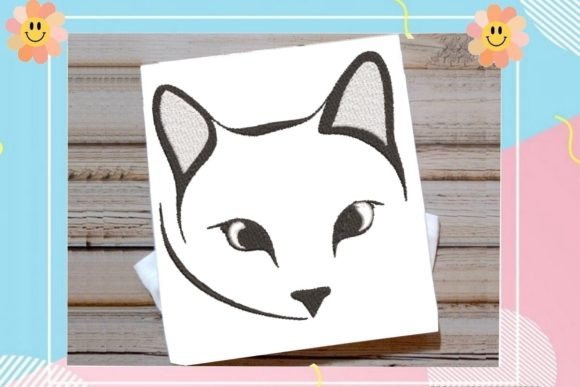
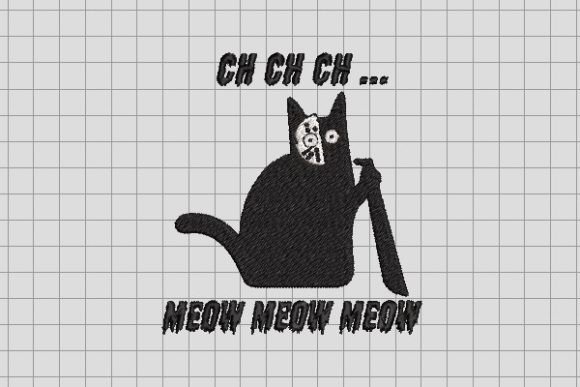
As the autumn air turns crisp and craft fair season approaches, I find myself sifting through my digital library for that one design that screams "October" without screaming "cheap." Today, I am putting Halloween Horror Cat under the microscope. This is not just a quick glance at a thumbnail; this is a deep dive into whether this specific machine embroidery design will make money on my table or gather dust in a bin. The description promises a hauntingly striking black feline with eerie eyes and menacing claws, capturing the mysterious allure of the feline world. My job is to determine if it translates from screen to fabric in a way that stops a shopper in their tracks.
First Impressions: Bold, Dark, and Mysterious
When I first load the Halloween Horror Cat file onto my design software, the mood is immediately established. This is not a cute, pumpkin-pawed kitten design meant for toddlers. It leans heavily into the gothic and mysterious side of Halloween. The silhouette is strong, and the emphasis on the eyes suggests a level of detail that could be either a selling point or a production headache depending on execution. For a craft fair booth filled with generic orange and black items, this design offers a sophisticated edge. It feels premium rather than rustic, making it an excellent candidate for elevated handmade products where customers are willing to pay more for quality aesthetics.
The visual weight of the design is significant. It does not whisper; it declares itself. In a crowded market environment, where buyers scan tables quickly, this boldness is an asset. However, as an experienced designer, I know that bold designs require careful placement. If you bury this image in the corner of a small pouch, it loses its power. It needs to be the focal point.
Product Suitability: Where Does It Shine?
Before I cut any stabilizer, I need to visualize where Halloween Horror Cat performs best. Based on the menacing claws and detailed eyes, certain substrates will enhance the design while others might ruin it.
- Tote Bags: This is a top contender. A sturdy canvas tote bag provides a flat surface that allows the full impact of the black cat to shine. The contrast of black thread on natural or off-white canvas creates a high-visibility product that looks great when hung on a rack or stacked on a table.
- Apron Embroidery: Kitchen aprons are a staple for handmade sellers. Placing this design on the bib of a dark grey or black denim apron creates a moody, chef-ready aesthetic. It appeals to the adult buyer looking for something edgy for their kitchen.
- Tea Towel Embroidery: Here, caution is required. The loop pile of a towel can sometimes swallow fine details. If the Halloween Horror Cat has intricate whiskers or tiny pupils, they might get lost in the texture. I would only recommend this if the stitch density is high enough to punch through the loops.
- Embroidered Patches: Turning this design into a patch is a brilliant strategy. It allows for easy application on denim jackets, backpacks, and hats. Patches are low-risk inventory items that sell well as add-on purchases at a craft fair.
- Caps and Pillows: Curved surfaces like caps can distort the symmetry of the cat's face. Pillow covers work well, provided the fabric is tight and smooth. The design works best on flat or gently curved surfaces.
Production Realities: Stitch Density and Fabric Texture
As I prepare to hoop up a test run, I must address the technical challenges. The description mentions "menacing claws" and "eerie eyes," which implies fine lines and potentially dense areas. In machine embroidery, dense stitching on dark fabrics requires heavy backing. If I attempt to embroider this on a thick fleece jacket without the right stabilizer, the result will be puckered and unprofessional.
I also need to consider the thread colors. While the title specifies a black cat, using a single color of black thread can look flat. To elevate the finished product, I plan to use a slightly lighter shade of charcoal for the background fill and a true jet black for the outlines and eyes. This subtle variation adds depth and makes the design pop, even in low light at a night market.
One critical note for fellow makers: always check the hoop size requirements before committing to a batch. If the design is large, it limits the types of items you can produce. If it is too small, the "menacing" details may vanish. I advise every Etsy seller and boutique maker to print a mockup of the design at actual size to ensure it fits your intended product layout perfectly.
Selling Strategy: From Booth to Online Listing
For the weekend craft fair, Halloween Horror Cat serves as a conversation starter. When displayed on a high-quality tote bag or a sleek pillow cover, it signals to the customer that this is a curated, artistic brand, not a mass-produced discount item. The visual appeal drives engagement. Customers who love cats but want something darker than the typical holiday fare will stop to ask about it.
However, the transition from physical booth to online sales requires different tactics. As an Etsy seller, I know that photos are everything. This design photographs exceptionally well because of its high contrast. A simple shot against a white background highlights the intricate stitching. But for the listing, I will create a printable mockup showing the design on various lifestyle items—draped over a chair, held by a model, or pinned to a jacket. This helps the buyer visualize the scale and context.
For those selling the digital embroidery file itself, the value proposition is clear. Crafters who own machines want unique designs that aren't available in big-box stores. This design fills a niche for those seeking a modern, slightly spooky aesthetic. However, before listing the file, you must confirm the commercial licensing terms. Can the buyer sell the finished embroidered items? Can they resell the file? Clarity here protects your business and builds trust with your customers.
Practical Designer Notes for Success
To ensure Halloween Horror Cat becomes a bestseller rather than a regrettable experiment, follow these steps:
- Test on Scrap Fabric: Never skip this. Run the design on the exact fabric and stabilizer you plan to use for the final product. Check for pulled threads or gaps in the fill.
- Check Thread Contrast: Ensure the black thread stands out against your chosen background. Sometimes a dark grey fabric absorbs the black thread, making the design invisible.
- Inspect Stitch Density: If the eyes or claws look muddy, adjust the pull compensation or reduce the density in your editing software.
- Create Real Mockups: Don't rely solely on digital previews. Embroider one real sample to photograph. Real lighting reveals issues that screens hide.
- Verify Licensing: If you are selling the finished goods, ensure your license allows for commercial embroidery. If you are selling the file, ensure your license permits distribution.
In conclusion, Halloween Horror Cat is a powerful asset for any embroidery business targeting the Halloween market. It offers a distinct, moody vibe that separates your booth from the sea of generic pumpkins. By respecting the technical limitations of the design and choosing the right products to showcase it, you can turn this digital file into a profitable line of handmade goods. Whether you are a seasoned pro or a new crafter, this design proves that sometimes, a little darkness is exactly what sells.