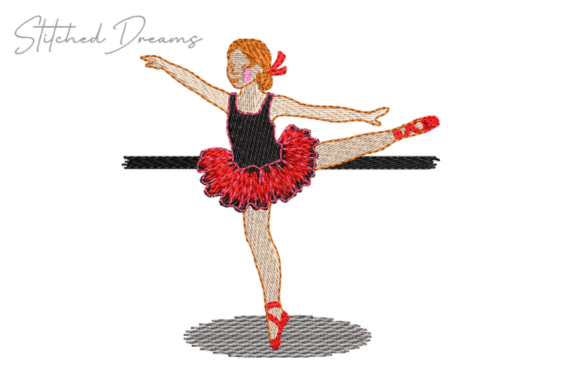
Review: Ballerina Embroidery Design for Craft Fairs
A Designer's Perspective on Market-Ready Elegance
As an experienced embroidery designer who has spent countless weekends setting up tables at craft fairs and managing digital storefronts, I know that the difference between a design that gathers dust and one that sells out lies in its execution and application. Today, I am reviewing the Ballerina Embroidery Design, a digital file promising grace and elegance with a beautifully poised ballerina mid-dance. At first glance, this design screams charm and sophistication, qualities that are often in high demand for handmade gifts. However, before I commit to producing a batch of tote bags or aprons for my upcoming booth, I need to critically evaluate how this specific motif translates from a screen into a tangible, sellable product.
First Impressions: Elegance Meets Commercial Viability
The visual impact of the Ballerina Embroidery Design is immediately striking. It feels soft, decorative, and undeniably premium. Unlike bold, graphic logos that shout for attention, this design whispers quality. For a craft fair environment where customers are scanning dozens of tables, this subtle elegance can be a double-edged sword. It stands out as a boutique item rather than a generic mass-market good. The "mid-dance" pose adds dynamic movement, preventing the image from feeling static or stiff. This makes it an excellent candidate for items that require a touch of whimsy without being overly childish. While the product category lists Boys, which is an unusual classification for a ballerina theme, the universal appeal of dance and movement means this machine embroidery design could easily cross over into gender-neutral accessories or even home decor if styled correctly. The key is ensuring the thread colors and fabric choices align with the intended aesthetic.
Product Application: Where Does It Shine?
When preparing my table display, I consider which products will best showcase the details of the Ballerina Embroidery Design. Here is how I envision it performing across various handmade products:
- Tote Bags and Market Bags: A large-scale application on a canvas tote bag works exceptionally well. The flat surface allows the dancer's pose to breathe, making it a perfect tote bag design for shoppers looking for unique, reusable shopping solutions. The contrast of white or pastel thread against natural linen would be stunning.
- Kitchen Textiles: As an apron embroidery or tea towel embroidery piece, this design elevates standard kitchen linens. Imagine a white cotton tea towel featuring the ballerina in a corner; it transforms a utilitarian item into a giftable piece of art. The Embroidery adds texture that photographs beautifully for online listings.
- Patches and Pouches: For smaller applications, such as an embroidered patch or a small fabric pouch, the design must be scaled carefully. If the stitch density is too high, tiny details might get lost. However, as a focal point on a drawstring bag, it creates a charming, collectible feel.
- Caps and Pillow Covers: Curved surfaces like caps present a challenge. The fluid lines of the dancer might distort slightly on a structured brim, so testing is crucial. On pillow covers, however, the design acts as a lovely accent, adding a feminine touch to nursery or bedroom decor.
Practical Production Notes for the Serious Maker
Before turning this digital embroidery file into a craft fair product, I always run through a strict checklist. First, I test the design on scrap fabric that matches the final material. This is non-negotiable. The stitch density of the ballerina's tutu and hair needs to be inspected closely. If the density is too high, the fabric may pucker, ruining the drape of an apron or the smoothness of a tote bag. Conversely, if it is too sparse, the design may look unfinished on textured towels.
Thread selection is another critical factor. To maintain the "grace and elegance" described in the product notes, avoid neon or overly saturated threads unless aiming for a modern pop-art look. Soft pastels, metallics, or classic whites work best. You must also confirm the hoop size required. If the design requires a large hoop, it limits your ability to embroider on pre-made items with small openings. Always check the embroidery file specifications to ensure compatibility with your machine's capabilities.
Furthermore, stabilizer choice cannot be overlooked. For a design with fine lines like a dancer, a cut-away stabilizer often provides better support than tear-away, especially on stretchy fabrics or when the design will be washed frequently. This ensures the finished product retains its shape and quality after multiple uses.
Visual Appeal and Sales Strategy
For the Etsy seller or boutique maker, the Ballerina Embroidery Design offers significant value in terms of perceived quality. Customers at a craft fair are often looking for something they cannot find in big-box stores. A well-executed embroidered item signals time, skill, and care. When photographing these items for your online shop, use natural light to highlight the texture of the stitches. Create a printable mockup to visualize how the design looks on different backgrounds before you even stitch a single thread.
However, there are pitfalls to avoid. Small lettering accompanying the design should be avoided if the scale is reduced, as it becomes unreadable. Similarly, using this design on very thick or highly textured fabrics like heavy denim or chunky knits might obscure the delicate lines of the ballerina. Always compare fabric colors to ensure the thread pops; a dark fabric might require a bright outline to define the silhouette.
Final Verdict: Is It Worth the Investment?
In conclusion, the Ballerina Embroidery Design is a strong contender for any portfolio focused on elegant, handmade goods. It has the potential to become a signature piece for your brand if executed with attention to detail. It appeals to buyers looking for thoughtful gifts, whether for children, adults, or home decor enthusiasts. Just remember to verify the commercial licensing terms before selling finished products. Ensure you have the right to sell items made with this digital embroidery file in unlimited quantities if you plan to scale your production.
If you are ready to produce, start by creating one real mockup. Evaluate the spacing, inspect the back of the stitching, and assess the overall balance. If the result is clean and the design captures that sense of movement and grace, then you have a winner for your next market day. Whether you are a seasoned small shop product creator or just starting your journey with Cricut and embroidery machines, this design offers a versatile foundation for building a cohesive and attractive product line.