Rottweiler Dog Embroidery Design Review
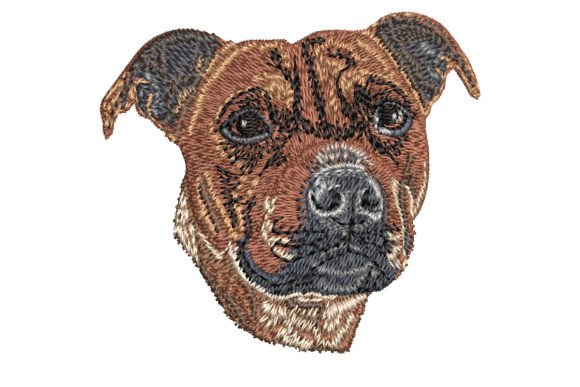
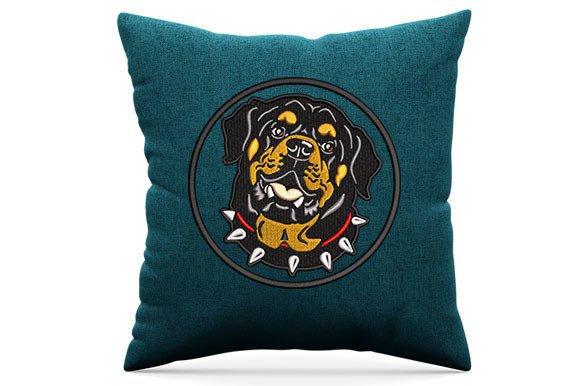
As an experienced embroidery designer who has spent years translating digital files into tangible brand assets, I approach every new machine embroidery design with a critical eye. Today, I am reviewing the Rottweiler Dog design, specifically evaluating its potential for small business merchandise and branded patch applications. While the product description highlights its appeal to proud Rottweiler owners for home decor and t-shirts, my focus here is strictly on how this digital embroidery file performs in a commercial setting. For boutique owners, apparel decorators, and Etsy sellers looking to expand their small business merch, understanding the technical and aesthetic viability of a design is crucial before it hits the production floor.
First Impressions: Visual Personality and Brand Fit
At first glance, the Rottweiler Dog concept carries a bold and protective energy. In the world of branding, the Rottweiler breed often symbolizes loyalty, strength, and guardianship. For a business identity, these traits can be powerful. However, the execution of the design determines whether it feels premium or merely decorative. The description suggests a "lovely" aesthetic, which implies a friendly approach rather than an aggressive one. This balance is essential for custom apparel. If the lines are too jagged, the finished product might feel chaotic; if they are too soft, the breed's distinct character is lost. For a local pet brand, a bakery with a mascot, or a security firm seeking a subtle nod to protection, this design could serve as a strong visual anchor. It needs to strike a chord that feels professional yet accessible, avoiding the trap of looking like a generic clip-art afterthought.
Commercial Applications: Patches, Uniforms, and Gear
When considering real-world business use, the versatility of the Rottweiler Dog design becomes the primary metric for success. One of the most effective ways to utilize this asset is through embroidered patches. Patches offer a rugged, durable look that works exceptionally well on denim jackets, canvas tote bags, and staff uniforms. Imagine a boutique clothing line where each item features a high-quality patch of the Rottweiler on the sleeve or back pocket. This creates an instant brand signature that customers recognize.
For service-oriented businesses, such as a dog grooming salon or a veterinary clinic, incorporating this design into apron embroidery or chest logos on work shirts can significantly boost team cohesion and customer trust. A uniformed staff member wearing a consistent, high-quality logo projects professionalism. Similarly, cap embroidery using this design offers excellent visibility for promotional events or outdoor teams. The key is ensuring the design scales well without losing definition. On a curved surface like a baseball cap front, the details must remain crisp. If the design is too intricate, the curve will distort the image, ruining the professional finish.
Furthermore, this design is an excellent candidate for tote bag design elements. As reusable bags become standard marketing tools, a bold graphic like the Rottweiler can turn a simple carrier into a walking billboard. Whether placed centrally or used as a corner accent, the design adds value to the finished product, making the item feel more like a collectible piece of handmade product art rather than disposable swag.
Critical Considerations for Production
While the potential is high, there are specific areas where the Rottweiler Dog design requires careful handling. Small patch sizes are a common pitfall. If you attempt to shrink this design for a tiny collar tab or a small buttonhole, the stitch count may become too dense, leading to puckering or thread breakage. Always review the minimum recommended size before committing to a run. Additionally, stitch density plays a massive role in how the design sits on fabric. High-density areas need proper backing to prevent the fabric from warping, especially on stretchy materials like performance tees.
Fabric texture is another variable. A smooth cotton jersey will render the design differently than a coarse twill or a textured fleece. Darker fabrics require underlays to ensure the thread colors pop, whereas light fabrics might show shadowing if the stabilizer isn't removed cleanly. For items that undergo frequent washing, such as aprons or work shirts, the durability of the stitching is paramount. Poorly executed designs on dark uniforms can fray over time, damaging the brand's reputation. Therefore, testing the design on the actual material intended for production is non-negotiable.
Impact on Brand Identity and Customer Trust
The choice of design directly influences brand identity. A well-executed Rottweiler Dog embroidery can convey a sense of reliability and community, particularly for pet-centric businesses. It signals to the customer that the brand understands its audience and values quality craftsmanship. Conversely, a sloppy or poorly scaled version can cheapen the perceived value of the entire product line. Consistency is key; the design should align with other design assets used by the company. If your brand is minimalist, a highly detailed, ornate dog portrait might clash. If your brand is rustic and bold, this design fits perfectly.
In the realm of commercial embroidery, the goal is to create a connection. When a customer sees a recognizable, high-quality logo on a printable mockup or the physical product, it builds engagement. It transforms a transaction into an experience. For Etsy sellers and crafters, offering unique, branded merchandise sets them apart from mass-market competitors. The Rottweiler Dog design, when applied correctly, adds a layer of storytelling to the merchandise, inviting customers to identify with the brand's values.
Practical Designer Notes for Implementation
Before integrating the Rottweiler Dog into your production workflow, follow these practical steps:
- Test in Black and White: First, run a test stitch in a single color to check the flow of the design and ensure there are no gaps or excessive jumps.
- Verify Hoop Size: Confirm that the design fits within your standard hoop dimensions. You do not want to split the design across two hoops unless absolutely necessary, as registration errors can ruin the alignment.
- Check Thread Color Contrast: Ensure the chosen thread colors provide enough contrast against the fabric background. Low contrast can make the design invisible from a distance.
- Inspect Spacing: Look at the spacing between different elements of the dog's features. Tight spacing can cause threads to snag during stitching.
- Use Proper Stabilizer: Select a stabilizer appropriate for the fabric weight. Tear-away works for stable fabrics, while cut-away is better for knits and stretch materials.
- Create a Mockup: Generate a printable mockup for client approval before cutting any thread. This manages expectations and prevents costly rework.
- Compare Assets: Place the design next to other brand elements to ensure visual consistency in style and tone.
- Confirm Licensing: Always verify the commercial embroidery license terms. Ensure you have the right to use the embroidery file for unlimited production runs or specific quantities as required by your business model.
By treating the Rottweiler Dog design as a strategic business asset rather than just a decorative element, you can elevate your merchandise offerings. Whether it appears on a cap embroidery for a loyal customer club or as a logo on a high-end custom apparel line, the attention to detail in its application will define the quality of your brand. Remember, the best embroidery is not just about the pattern; it is about how that pattern serves the story and function of your business.